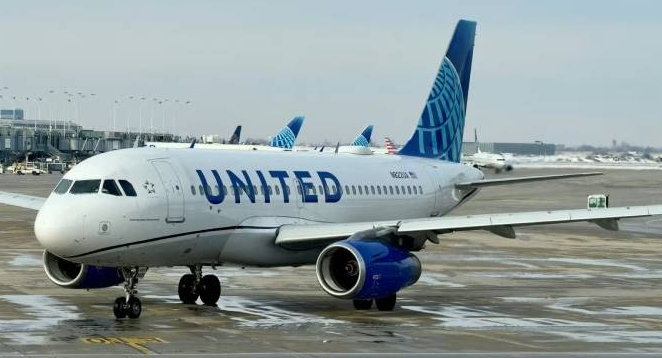
United Airlines Flight UA770 was an international flight that experienced an emergency diversion due to unforeseen circumstances. Below is a detailed explanation of the situation:
Incident Overview:
- Flight Details: United Airlines Flight UA770 was scheduled to fly from San Francisco (SFO) to Tokyo Narita (NRT).
- Emergency Diversion: The flight was diverted due to a mechanical issue, reported as a hydraulic system failure or engine-related malfunction. The aircraft experienced an issue that could not be resolved in the air, prompting the decision to divert the flight to the nearest suitable airport for safety reasons.
Timeline of the Incident:
- Takeoff and In-Flight Issue: After takeoff, the crew noticed a malfunction related to the aircraft’s systems. This could have involved the hydraulic system or engine, which are essential for controlling critical functions like braking, steering, and engine thrust.
- Decision to Divert: The flight crew, prioritizing passenger safety, decided to divert to an alternate airport, which was Anchorage, Alaska (ANC). This was the closest suitable airport where the aircraft could land safely.
- Emergency Landing: Flight UA770 made an emergency landing at Anchorage International Airport. During the landing, the crew followed standard emergency protocols, and emergency services were on standby.
Passengers and Crew:
- Passenger Safety: No injuries were reported among the passengers or crew, and the landing was considered a success despite the emergency.
- Crew’s Actions: The pilots and crew are trained for such emergencies, and their quick thinking and professionalism ensured the safety of all on board.
After the Diversion:
- Aircraft Inspection: After landing in Anchorage, the aircraft was inspected by maintenance crews. It was determined that the issue with the hydraulic system or engine needed repairs that required attention before the aircraft could continue its journey.
- Alternative Arrangements: Passengers were given options for further travel arrangements, including rescheduling flights or waiting for a replacement aircraft. Some passengers may have been accommodated on other flights or given hotel accommodations if necessary.
Conclusion:
The emergency diversion of United Airlines Flight UA770 highlights the importance of flight crew training, aircraft maintenance, and safety protocols in ensuring the well-being of passengers during critical in-flight emergencies. United Airlines responded quickly to resolve the situation, ensuring the passengers’ safe arrival at their destination.