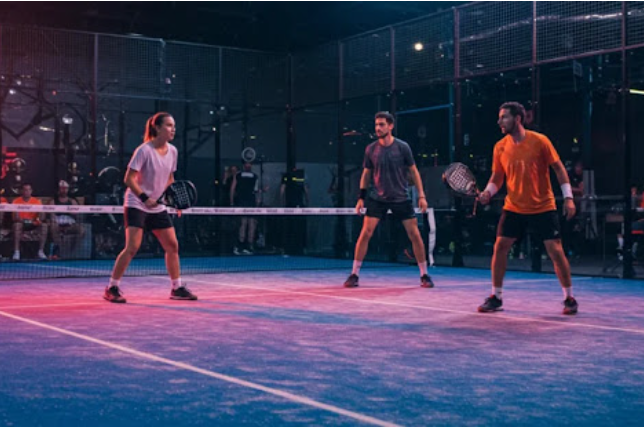
Padel, a dynamic racket sport combining elements of tennis and squash, has rapidly gained popularity in the Netherlands over the last few years. With roots in Mexico and strong footholds in Spain and Argentina, padel is now emerging as one of the fastest-growing sports across Europe. The Netherlands is no exception, witnessing a surge in players, clubs, and national attention. NLPadel, the nation’s driving force for padel, is at the forefront of this movement, shaping the sport’s future in the country.
What Is Padel and Why It Appeals to Dutch Players
Padel is played on a smaller, enclosed court with walls that players can use for rebounds, making it both strategic and fast-paced. Unlike traditional tennis, padel emphasizes teamwork and rallies, offering a social and competitive environment that appeals to players of all ages.
In the Netherlands, padel appeals due to several factors:
- Accessibility: The sport is easier to learn than tennis, requiring less technical skill initially, which encourages newcomers.
- Social Aspect: Many Dutch clubs promote padel as a mixed-gender, inclusive sport, enhancing its community appeal.
- Fitness and Fun: Padel is a high-energy activity that improves agility, coordination, and cardiovascular health without being overly taxing.
NLPadel has capitalized on these strengths, promoting the sport through local tournaments, coaching clinics, and media outreach.
Rapid Growth of Padel Clubs and Facilities
Over the past five years, the number of padel clubs in the Netherlands has skyrocketed. Cities like Amsterdam, Rotterdam, and Utrecht are seeing new facilities opening almost monthly, catering to an increasing player base.
Key trends driving this expansion include:
- Multi-sport Clubs Adopting Padel: Many tennis and squash clubs are converting existing courts or adding padel facilities to meet growing demand.
- Public and Private Investment: Municipalities and private investors recognize padel’s potential to attract youth and adults alike, funding new courts and tournaments.
- Corporate Engagement: Companies are introducing padel for team-building activities, leveraging its social and competitive nature.
NLPadel role in this expansion cannot be overstated, as they provide centralized guidance for clubs, assist with coaching certification, and promote national competitions.
The Role of NLPadel in Promoting the Sport
NLPadel is not just a governing body; it is a hub for the sport’s growth strategy. Their initiatives focus on both grassroots development and high-performance programs.
- Grassroots Initiatives: NLPadel organizes school programs, free trial sessions, and beginner leagues to encourage widespread participation.
- Professional Development: The organization supports coaching certifications, referee training, and competitive leagues to improve the quality of play.
- National Tournaments and Media Presence: NLPadel promotes domestic competitions and collaborates with media partners to increase visibility, inspiring more players to take up the sport.
By creating a structured pathway from beginner to competitive play, NLPadel ensures that the sport is sustainable and continues to attract new participants.
Padel Cultural and Social Impact in the Netherlands
Beyond the courts, padel is influencing Dutch society. The sport fosters inclusivity, bringing together diverse age groups, genders, and social backgrounds. Padel’s shorter games and doubles format make it a fun option for families and friends, creating strong community bonds.
Furthermore, the growth of padel contributes to health and wellness initiatives, encouraging active lifestyles among young and older populations alike. NLPadel actively emphasizes these benefits in their outreach campaigns, framing padel as more than a sport—it is a social movement.
Looking Ahead: The Future of Padel in the Netherlands
With its momentum, the future of padel in the Netherlands looks promising. Some emerging trends include:
- Integration into Schools and Universities: Expanding access for students to develop skills early.
- Professional Leagues and Sponsorships: Growing visibility through high-stakes competitions and media coverage.
- Technological Enhancements: Innovations such as smart courts, performance tracking apps, and online booking systems to improve the playing experience.
NLPadel continues to spearhead initiatives that ensure the sport remains engaging, accessible, and competitive. The organization’s vision aligns with global trends, positioning the Netherlands as a rising hub for padel in Europe.
Conclusion
Padel explosion in the Netherlands is more than just a passing trend. Through strategic promotion, accessible facilities, and an inclusive approach, NLPadel is cultivating a thriving community that blends competition, social interaction, and wellness. Whether you are a beginner or an aspiring professional, the Netherlands offers an exciting future for anyone looking to embrace the sport.