📖 Introduction
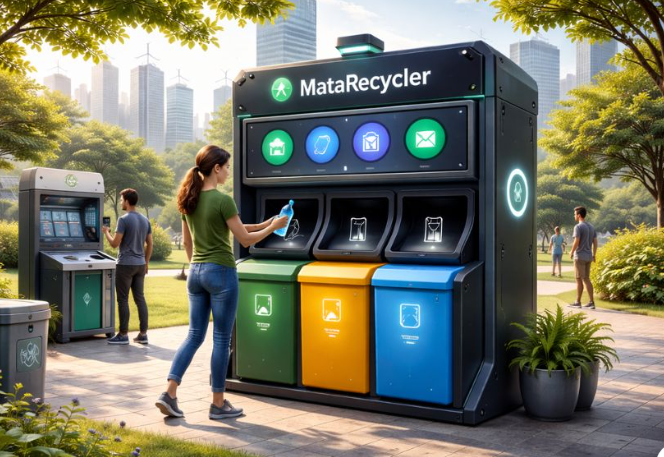
In 2026, “Matarecycler” represents a new generation of smart recycling technology designed to improve how waste is collected, sorted, and reused. As global concerns about pollution and sustainability continue to grow, innovative solutions like Matarecycler aim to make recycling more efficient, automated, and accessible. By integrating modern technologies such as sensors, data analytics, and Artificial Intelligence, Matarecycler reflects a shift toward smarter and more environmentally responsible waste management systems.
⚙️ What is Matarecycler?
Matarecycler can be understood as an advanced recycling system that uses intelligent technology to identify, sort, and process waste materials automatically. Unlike traditional recycling methods that rely heavily on manual labor and basic sorting techniques, Matarecycler systems are designed to recognize different types of materials—such as plastic, metal, and paper—and separate them with high accuracy. This not only reduces human effort but also increases recycling efficiency and minimizes contamination.
🚀 Key Features of Matarecycler Technology
One of the defining features of Matarecycler is automation. Using smart sensors and machine learning algorithms, the system can quickly analyze waste items and determine how they should be processed. Real-time monitoring allows operators to track recycling performance and optimize operations. Additionally, Matarecycler systems may include user-friendly interfaces, making it easier for individuals and organizations to participate in recycling programs. The technology also supports data-driven decision-making, helping cities and companies improve their waste management strategies.
🌍 Environmental Impact
Matarecycler has the potential to significantly reduce environmental pollution by increasing recycling rates and decreasing the amount of waste sent to landfills. By improving sorting accuracy, more materials can be reused effectively, conserving natural resources and reducing energy consumption. This aligns with global sustainability goals and efforts to combat climate change, making smart recycling systems a crucial part of the future.
🏭 Applications Across Industries
The applications of Matarecycler extend across multiple sectors. In urban areas, it can be integrated into smart city infrastructure to manage waste more efficiently. In industries, it helps companies meet sustainability targets by improving recycling processes. Educational institutions and public spaces can also adopt Matarecycler systems to promote environmental awareness and responsible waste disposal.
⚠️ Challenges and Considerations
Despite its advantages, Matarecycler technology faces certain challenges. The initial cost of implementing smart recycling systems can be high, which may limit adoption in some regions. There are also technical challenges related to system maintenance and accuracy. Additionally, public awareness and participation remain key factors in ensuring the success of any recycling initiative.
🏁 Conclusion
“Matarecycler: The Future of Smart Recycling in 2026” highlights the growing importance of intelligent solutions in addressing global waste problems. By combining automation, artificial intelligence, and real-time data, Matarecycler offers a smarter and more sustainable approach to recycling. As technology continues to evolve, such systems are expected to play a vital role in creating cleaner cities and a greener planet for future generations.